

Become a freelancer with zero experience yes, it is completely possible, and thousands of people do it every single month. I know because I was one of them.
I remember the exact moment I decided to try freelancing. I had no portfolio, no clients lined up, and honestly no clear idea what I was doing. I just knew I wanted something different. What I did not know was that I was closer to my first paid gig than I thought.
If you are sitting in that same place right now, this guide is going to walk you through every single step. No fluff. No fake promises. Just the real process that works.
One thing I wish someone had told me when I started is that the career side of freelancing the skills, the portfolio, the clients is only half the picture. The other half is the business and legal side, and most beginners ignore it completely until something goes wrong.
This guide covers both. Every step here includes not just what to do to build your freelance career, but what to put in place legally to protect it. Because the fastest way to lose the income you worked hard to earn is to deliver great work without a contract, an invoice structure, or any understanding of what your rights actually are as an independent contractor.
Why “No Experience” Is Not the Problem You Think It Is
Here is something almost nobody explains clearly when they talk about starting a freelance career: experience and paid client experience are two completely different things.
When you say you have no experience, what you probably mean is that nobody has ever paid you for a specific skill yet. But that does not mean you lack the actual ability to do the work.
Think about it this way. Have you ever written an email, a caption, or a school report? That is writing. Have you ever made a birthday graphic on Canva or organized a project spreadsheet for your team? Those are real, sellable skills.
The freelance market is enormous. According to Upwork’s Freelance Forward report, more than 60 million Americans freelanced in a recent year. Clients are not always looking for five years of agency experience. They are looking for someone who can solve their specific problem right now.
Your real challenge is not experience. Your real challenge is showing the right client that you can deliver results. This guide teaches you exactly how to do that.
Step 1: Pick One Skill and Commit to It Completely
The biggest mistake new freelancers make is trying to offer everything at once.
One week they are a writer. The next week they are a graphic designer and a virtual assistant and a social media manager. Clients see this and immediately feel uncertain. Specialists get hired. Generalists get scrolled past.
Here is a simple exercise to find your starting skill. Make three quick lists:
List A: What can you already do? Think about anything writing, photo editing, data entry, scheduling, translating, making videos, designing in Canva, managing emails. Write it all down without judging yourself.
List B: What are people paying for? Open Upwork right now and just scroll through the job categories. You will see hundreds of active postings. Look for overlap with List A.
List C: What would you actually enjoy doing for hours? This one matters more than people admit. If you pick a skill purely for the money but hate doing it, you will burn out before you make your first $500.
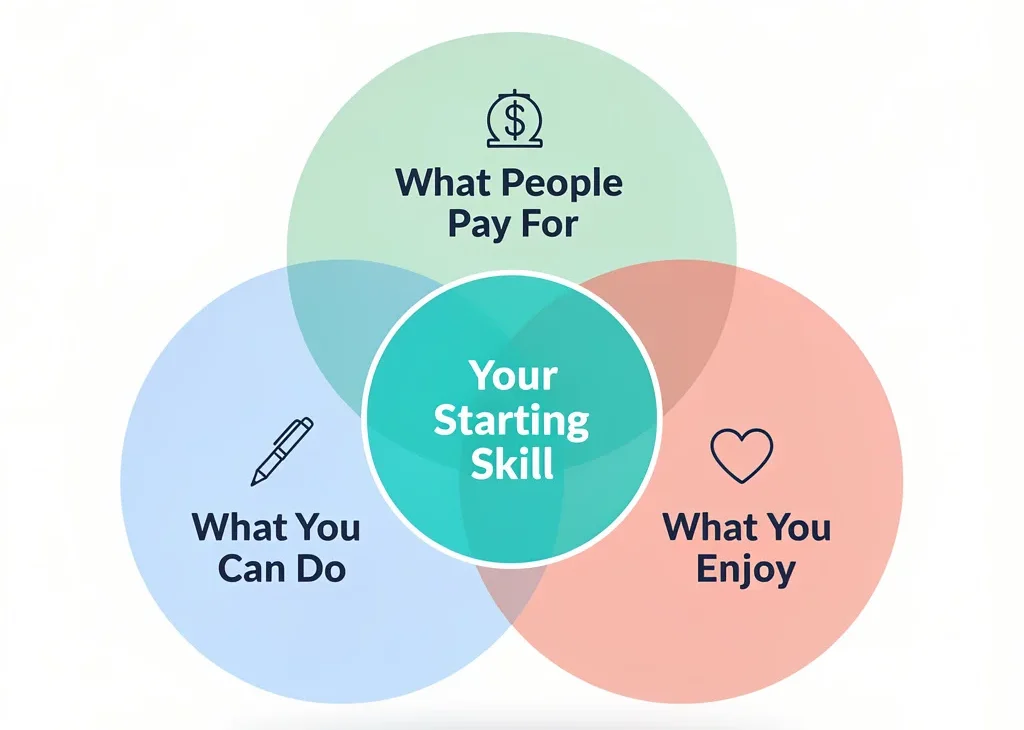
Where all three lists overlap is your answer. That is your starting service. Pick it and do not second guess it for at least 90 days.
Step 2: Build a Portfolio Without a Single Paying Client
The classic frustration goes like this: you need a portfolio to get clients, but you need clients to build a portfolio. It feels like a trap.
It is not a trap. The premise is just wrong.
A portfolio does not need to contain paid work. It needs to demonstrate that you can do the work. That is a completely different standard, and it is one you can meet starting today.
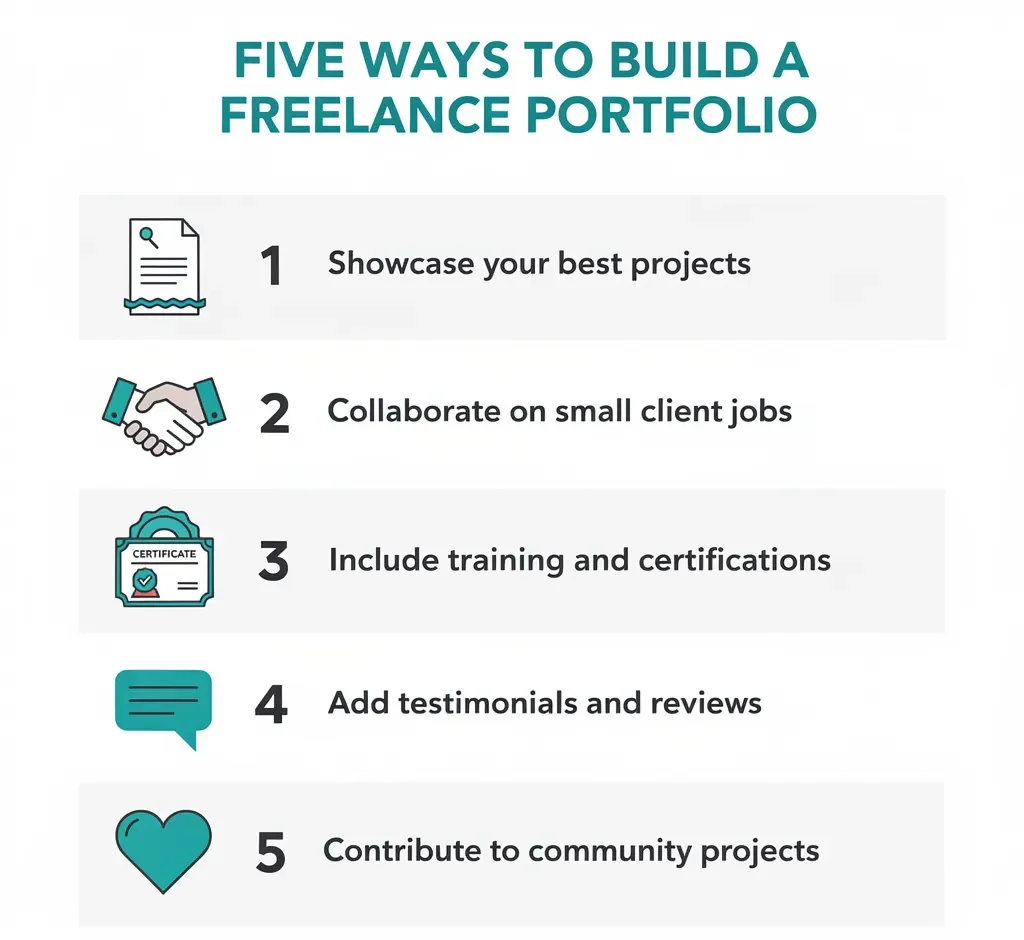
Here are five proven ways to build real portfolio pieces with no paying clients:
Create Sample Projects From Scratch
If you want to become a freelance writer, write five blog posts on topics in your target niche. Publish them on Medium, a free WordPress site, or even a public Notion page. The content exists. Someone can read it. That is your portfolio.
If you want to do graphic design, mock up a brand kit or a set of social media posts for an imaginary company. Put it on Behance or a Canva portfolio page.
If you want to edit videos, find free stock footage on Pexels and cut together a 60 second piece that shows your editing style. That is a real sample.
Offer One or Two Free Projects Strategically
This is not about working for free forever. It is about making one smart trade at the very beginning: your work in exchange for a written testimonial and permission to put the piece in your portfolio.
Think local. A small restaurant near you probably has an outdated website. A neighbor with a small business probably needs someone to manage their Instagram. Approach them, offer to help with one specific thing, do excellent work, and get that testimonial in writing.
Earn a Free Certification
Google Digital Garage, HubSpot Academy, and Meta Blueprint all offer free certifications. These are not just badges. They signal to potential clients that you understand the fundamentals of your craft. Some beginner friendly clients specifically look for certifications when they cannot verify a work history.
Document Your Learning in Public
Start posting on LinkedIn or Twitter about what you are learning. Share a tip. Explain a concept. Show a before and after from a practice project. This builds a visible track record of competence even before your first paid gig arrives.
Volunteer for a Nonprofit
Local charities, community groups, and nonprofit organizations almost always need help with websites, social media, newsletters, and event materials. Doing this work gives you real deliverables and genuine testimonials from credible organizations.
Step 3: Choose the Right Platform for Your First Client
When you have no network and no reputation yet, the fastest path to your first paying client is a freelance platform. The clients are already there. They are already looking to hire. You just need to show up with the right profile.
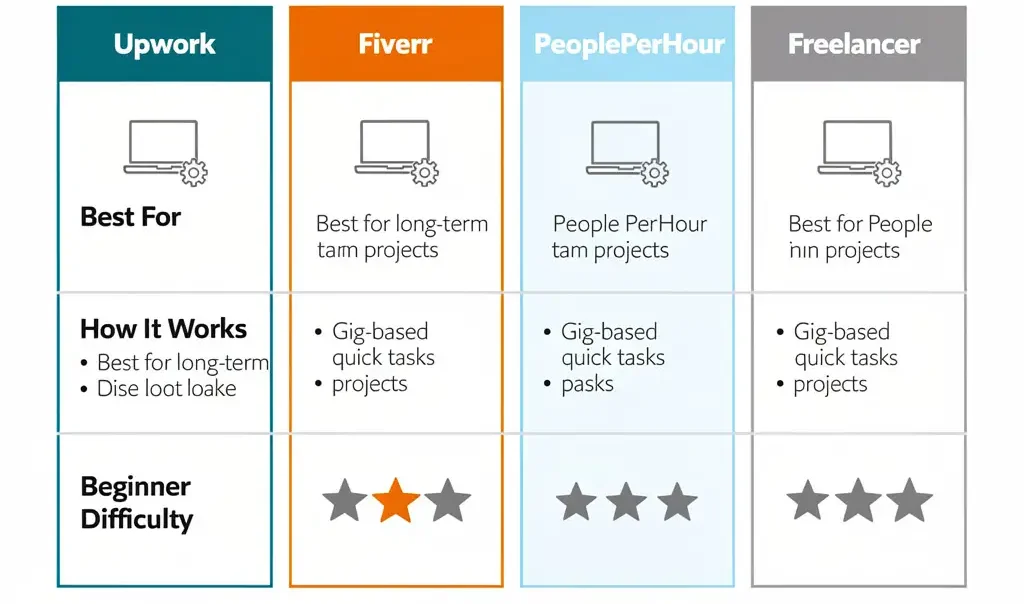
Here is an honest breakdown of the main platforms so you can choose where to start:
Upwork
Upwork is the largest freelance marketplace in the world. It works on a proposal system: clients post jobs, freelancers submit proposals, and clients choose who to hire.
Getting started on Upwork is genuinely competitive. Newer profiles rank lower in search results, and you are competing against freelancers who already have hundreds of reviews. The key is to be selective. Only submit proposals for jobs that are a strong match for your skills, and write every single proposal from scratch. No templates.
One thing most beginners do not know about Upwork: the algorithm rewards consistent activity. Profiles that respond quickly, submit proposals regularly, and stay active get more visibility over time. Show up every day, even when it feels slow.
Fiverr
Fiverr flips the model. Instead of applying for jobs, you create “gigs,” which are basically service listings that describe exactly what you offer, at what price, and with what turnaround time. Clients browse gigs and purchase them directly.
This means less active pitching and more passive discovery, which many beginners find easier to manage at first.
The challenge with Fiverr is visibility. New gigs appear lower in search results until they collect reviews. You can speed this up by optimizing your gig title and description with the exact words clients type into search, pricing competitively at first, and sharing your gig link on LinkedIn and Reddit to generate your first few sales externally.
PeoplePerHour
This platform is especially popular in the UK and European markets. It is a hybrid model where you can both pitch on posted projects and create your own fixed price listings called hourlies. If your target clients are based in the UK or Europe, this is worth setting up alongside Upwork.
Freelancer.com
Freelancer.com has a large volume of job postings, but the platform also attracts clients looking to pay very low rates. You can find legitimate work here, but go in with your eyes open and avoid getting pulled into bidding wars on projects that are already priced too low to be worth your time.
Step 4: Write a Proposal That Actually Gets Read
Most new freelancers write proposals that sound like this:
“Hi, I am a passionate and hardworking freelancer dedicated to delivering high quality work on time. I am a quick learner and would love the opportunity to help your business grow.”
This says absolutely nothing. Every single freelancer on the platform says exactly this. There is no reason for a client to respond to it.
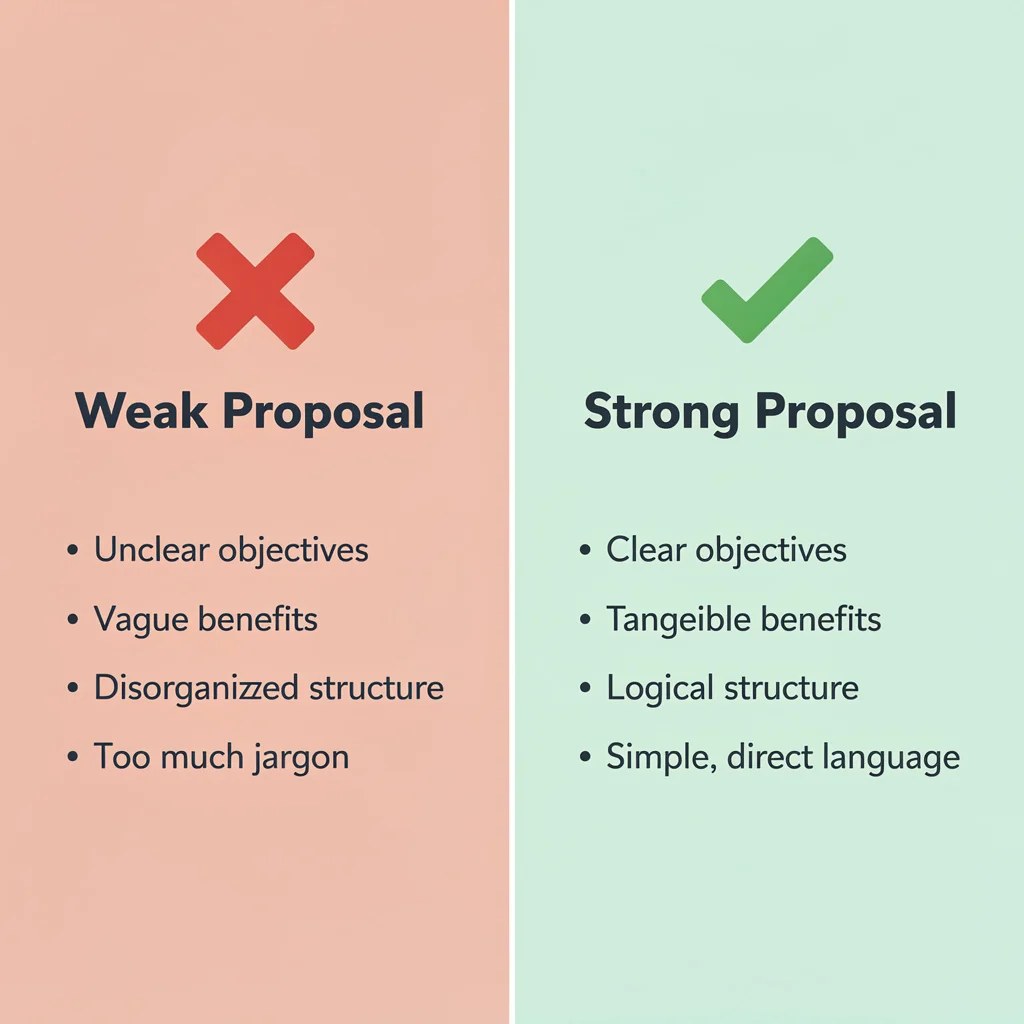
Here is what a proposal that actually gets responses looks like:
“I read through your post and I noticed you are looking for content that appeals to first time homebuyers. I have written in this space before, specifically about mortgage basics and the home inspection process. Here are two relevant samples: [links]. I can turn around a 1,200 word article in 48 hours with one revision included. Happy to write the first 300 words as a quick test so you can see the voice before committing.”
The difference is everything.
That second proposal shows the client you actually read their post. It demonstrates relevant experience. It gives a specific timeline. And the offer to write a free sample removes the risk that makes clients hesitant to hire someone with a thin profile.
A few rules that make every proposal stronger:
Start with their problem, not your background. The first sentence should be about them, not you.
Keep it short. The best proposals are usually 150 to 250 words. Clients are reading dozens of proposals. The one that gets to the point wins.
End with a clear next step. Ask a question or invite action. “Would a quick 15 minute call make sense?” gives the client something to respond to.
Step 5: Set Your Rates Without Underselling Yourself
Pricing is one of the most overthought parts of starting a freelance career, and most beginners get it wrong in one of two directions: they price way too low out of insecurity, or they avoid pricing conversations entirely because the topic makes them nervous.
Here is the truth about pricing at the beginning: pricing too low can actually hurt you.
Experienced clients who have been burned before by cheap freelancers often skip the lowest priced options entirely. They associate very low prices with poor quality, slow communication, and missed deadlines. A $5 article or a $10 logo sends a signal, and it is not the one you want to send.
Here is how to approach pricing when you are just starting out:
Research the market first. Go to Upwork and Fiverr and look at what freelancers with solid reviews charge for the same service you are offering. That gives you the range you are working within.
Start at 30 to 40 percent below mid market rates. Not rock bottom, but low enough that a client feels like they are getting real value while taking a chance on someone without a full review history.
Be honest when it helps. Some clients respond really well to transparency. Saying “I am building my review base on this platform, so I am pricing below my usual rate for my first few projects, but my work is strong, here are my samples” is a confident, honest pitch.
Raise your rates after every five to ten reviews. Underpricing is a temporary launch strategy. It is not a business model. Once you have a track record, move your prices up steadily.
Should You Charge by the Hour or by the Project?
Almost every experienced freelancer will tell you the same thing: charge by the project wherever possible.
Hourly pricing punishes you for getting faster and better. As you improve, you finish work more quickly, which means you earn less per project even though the quality is higher. Project pricing does the opposite. The more efficient you get, the better your effective hourly rate becomes, even with the same project fee.
Project pricing is also cleaner for clients. There are no surprises, no scope creep arguments about whether a task took 20 minutes or 40, and no awkward conversations about the clock. A flat rate for a clear deliverable is easier for everyone.
Step 6: Land Your First Client and Protect That Relationship
Getting your first client is the hardest part of the whole journey. Not because you lack the skill, but because you lack the social proof that makes new clients feel comfortable saying yes.
Once you get that first client, treat that project like the most important thing on your calendar. In many ways, it is.
Here is what “treating it like the most important thing” actually looks like in practice:
Overdeliver on the first project. Turn it in early if you can. Include a small extra that was not in the brief. Add a note explaining your thinking and what the client can do to get the most from the deliverable. These small actions make a huge impression.
Follow up professionally. After you deliver the work, send a short message checking in two or three days later. Ask if they have any questions and whether the piece is performing as expected. Most freelancers never do this. It takes two minutes and it makes you memorable.
Ask for a review. Satisfied clients do not always leave reviews without a prompt. At the end of a successful project, simply say: “I am really glad this worked out. Would you mind leaving a quick review? It really helps me build my profile here.” Most happy clients will do it immediately.
Stay in touch after the project ends. One of the most valuable activities in early freelancing is converting one time projects into repeat business. A quick check in four to six weeks after a project is done, asking if they need anything else, costs you nothing and has a surprisingly high conversion rate.
Step 7: Set Up the Business Side Early
Most new freelancers ignore the admin side of things until it becomes an emergency. Do not be that person.
You do not need to form a company or hire an accountant in week one. But you do need a few basics sorted before you start earning money.
Open a separate bank account. Mixing your freelance income with your personal spending makes tracking a nightmare. Open a second account, even a basic one at your current bank, specifically for freelance transactions. This takes about 10 minutes and saves you hours of confusion later.
Get an invoicing tool. You need to be able to send professional invoices from day one. Wave is completely free and fully capable. Invoice Ninja is another free option. PayPal has built in invoicing if your clients pay through PayPal. For international payments, Wise Business is excellent. At a minimum, every invoice needs your name, the client’s name, an invoice number, the date, a description of services, the amount, and the payment terms.
Track your income from the very first payment. A simple spreadsheet with four columns works perfectly: date, client name, project description, amount received. Five minutes a month. Enormous value at tax time.
Understand your tax situation. In most countries, freelance income is taxable, and you may be responsible for setting aside and paying taxes yourself rather than having an employer do it for you. Research the rules for your location or speak briefly with a local accountant. This is not optional advice.
Use a written agreement for bigger projects. For small platform projects, the platform’s own terms of service cover you. For larger direct client projects, use a simple written agreement that spells out what you are delivering, when, for how much, and what happens if either side wants to end the engagement early.
Step 8: Keep Learning While You Work
Here is something that surprised me about freelancing: you improve much faster than in a traditional job.
In a regular 9 to 5, you do similar tasks in similar ways, day after day. Learning happens, but slowly. In freelancing, every new client is a fresh challenge. New industry, new tone, new expectations, new feedback. The iteration cycle is short and constant. Most active freelancers develop significantly sharper skills in their first year than they would have doing the same type of work inside a company.
You can make this even faster by learning deliberately alongside your paid work.
YouTube is your best free resource. Whatever skill you are building, there is a free, high quality YouTube channel dedicated to teaching it at every level from beginner to advanced. SEO, Canva design, Adobe Premiere, Google Ads, copywriting, Excel, web design all of it is there, and it is free.
Udemy is affordable and practical. The platform runs sales constantly, and most courses drop to around $10 to $15 during promotions. The certificate is not the point. The skill is the point. Look for courses that are practical, project based, and recently updated.
HubSpot Academy and Google Skillshop are free and credible. If you work in any part of digital marketing, content, SEO, analytics, or paid ads, these platforms give you certifications that clients actually recognize and respect.
Step 9: Build a Reputation That Brings Clients to You
At some point, you stop chasing clients and clients start finding you. This is not luck. It is the result of deliberate reputation building over time.
Here is how that transition happens:
Collect testimonials consistently. After every successful project, ask for a testimonial. Build a file of the best ones and display them prominently on your portfolio, your LinkedIn, your Upwork profile, and anywhere else potential clients might find you.
Post your expertise publicly. LinkedIn is especially powerful for this. Write short posts about what you have learned, share tips from your work, explain a common mistake in your niche and how to fix it. You are not just building an audience. You are demonstrating live, in real time, that you know what you are talking about. That is one of the most effective forms of personal branding for freelancers.
Get referrals from existing clients. Happy clients often know other potential clients. At the end of a great project, ask directly: “Do you know anyone else who might need this kind of help? I would really appreciate the referral.” This feels uncomfortable the first time. It becomes natural fast. And referrals convert at a much higher rate than cold outreach.
Partner with agencies. Many digital marketing agencies, design firms, and content studios use freelancers to handle overflow work. Reaching out to agencies in your skill area and offering to be their go to overflow resource is an underused strategy that can produce consistent work without you having to do any direct client acquisition at all.
Step 10: Grow From Beginner to Established Freelancer
At some point, usually somewhere between six months and a year of consistent effort, the work changes. You are not scrambling for every project anymore. You have repeat clients. You have a clear sense of what you want to work on and what you do not. You have started saying no to things that do not fit.
That is when freelancing stops being a side experiment and starts being a real business.
Here is how to make that shift deliberately:
Specialize more deeply over time. The more specific your niche becomes, the less competition you face and the more you can charge. A social media manager is one thing. A social media manager who specializes in B2B LinkedIn content for software companies is a much rarer, much more valuable resource.
Build recurring revenue. Monthly retainers are the foundation of income stability in freelancing. A client who pays you a fixed amount every month for ongoing work is worth significantly more than a series of disconnected one time projects. Actively look for ways to convert project clients into retainer clients by proposing ongoing arrangements at the end of strong engagements.
Invest in better tools. Professional work eventually requires professional tools. Notion or Asana for project management. Grammarly or Hemingway Editor for writing. Figma or Adobe Creative Cloud for design. Toggl for time tracking. These tools improve the quality and efficiency of your work, and the cost is almost always worth it.
Apply the 80/20 rule to your client roster. Over time, you will notice that a small number of clients generate most of your income and most of your satisfaction, while a different small group generates most of your frustration. Lean into the first group. Gradually phase out the second.
Step 11: Protect Yourself Legally Before You Take a Single Paid Client
I am going to be honest with you about something that most freelance career guides completely skip over.
Everything else in this article building your skills, setting up your portfolio, finding your first client, pricing your work none of it matters if you hand that work over without any legal protection in place. Because here is what actually happens to freelancers who skip this step.
They finish a project. The client ghosts them. No payment. No response. And because there was no contract, no written agreement, no paper trail there is nothing to point to. No proof that work was delivered. No agreed payment date. No consequences for the client walking away.
I have been there. Not in the dramatic, catastrophic way some freelancers experience it, but in the quieter version that stings just as much as a client who kept asking for revisions past what was originally agreed, because nothing in writing said when the project ended. Every revision felt free to them because I had nothing that said it was not.
That experience is what taught me that legal protection is not a bureaucratic formality. It is what separates a professional freelance career from a hobby that occasionally pays you.
Here are the three legal basics every new freelancer needs before taking a paid client. Not eventually. Before.
First: A Simple Freelance Contract
You do not need a lawyer to write your first contract. You need a document that states, in plain language: what work you are doing, the deadline, the payment amount, when payment is due, and what happens if either party wants to cancel.
That is it. Five points. One page is enough to start. A signed contract even a simple email thread where both parties confirm the terms is a legal document. It gives you something to stand on if a dispute happens.
If you want to understand what should be in a freelance contract before you write one, read our complete guide to freelance writing contracts here it covers every clause that matters and what each one actually protects.
Second: A Payment Terms Clause
This is the part of your contract that most new freelancers leave vague and it costs them. “Payment upon completion” sounds reasonable until you realise it means the client gets to decide when completion happens.
Be specific. State the payment amount. State the due date Net 7, Net 15, Net 30. State your late payment policy. State whether you require a deposit upfront. These are not aggressive demands. They are the standard terms that any professional business relationship runs on.
If you are not sure what payment terms are reasonable for your industry, this guide on Net 15 payment terms walks through exactly what each option means and how to choose the right one.
Third: A Basic Understanding of Your Intellectual Property Rights
Here is something that surprises most new freelancers: when you create something for a client, you own it by default unless your contract says otherwise. That is how copyright law works in most jurisdictions.
But many client contracts especially the ones big companies send freelancers to sign before a project starts include clauses that transfer all intellectual property rights to the client permanently, often including rights to work you did before the engagement, or work that is only loosely related to the project.
You need to know what you are signing before you sign it. Understanding the basics of intellectual property rights takes about twenty minutes of reading and could save you from accidentally signing away ownership of your entire portfolio.
This guide on intellectual property rights for freelancers covers the specific clauses to watch for and exactly what they mean for your work.
Legal protection does not make you difficult or paranoid. It makes you a professional. Clients who respect your work will respect your contract. Clients who push back hard on basic professional terms are usually the ones you will be glad you had protection against.
Set this up before your first paid client. Not after.
Common Mistakes New Freelancers Make (And How to Avoid Each One)
Let me be direct about the patterns that slow people down, because they are very predictable and very avoidable.
Waiting until everything is ready. There is no such thing as ready. Your portfolio will never feel complete enough. Your rates will never feel certain enough. Your profile will always feel like it could be one more line better. Start with what you have and improve while you go.
Competing only on price. There will always be someone willing to charge less than you. Always. If price is your only argument, you will be stuck at the bottom of the market forever. Your differentiation has to come from something else: a specific niche, faster delivery, better communication, deeper expertise.
Skipping the written agreement. You will have a client dispute exactly once without a written agreement, and after that you will never skip one again. Even a short email summarizing the scope, timeline, and price is protection. Use it every time.
Underestimating how long projects take. New freelancers almost always underestimate project timelines, which leads to missed deadlines or working for far less per hour than intended. Build extra buffer into every estimate, especially for projects involving client feedback rounds.
Stopping marketing when work picks up. This is the feast and famine cycle in its most common form. Work comes in, marketing stops, work dries up, panic sets in, marketing resumes. The fix is to treat marketing as a non negotiable weekly habit, not something you do only when desperate.
Not raising rates. If you have been freelancing for six months with solid reviews and you are still charging your week one rates, you are leaving real money on the table. Raise your rates systematically, starting with new clients and gradually with existing ones.
Before You Take Your First Paid Client: The Legal Checklist Nobody Gives Beginners
Here is the part of the freelance career conversation that almost never makes it into beginner guides.
You have followed every step in this article. You have picked your skill, built your portfolio, set your rates, and you are about to land your first paid client. Before you start that work, there are three things you need to have in place. Not eventually. Before the project begins.
I am telling you this because I did not have any of them when I started, and I paid for that gap in ways that took real time and energy to recover from.
1. A Written Contract Even a Simple One
The moment money is involved, a verbal agreement is not enough. A contract does not need to be written by a lawyer. It does not need to be five pages long. It needs to answer five things clearly: what work you are doing, what the deadline is, what the client is paying you, when that payment is due, and what happens if either party wants to cancel.
That is it. Those five points, in writing, signed or confirmed by email from both sides, is a legal document. It gives you something to point to if a client claims the project was not finished, or tries to demand extra work that was never part of the original agreement.
If you are a complete beginner and you do not know where to start, this freelance contract guide walks through every clause that matters in plain language no legal jargon.
2. Clear Payment Terms
“Payment when the project is done” sounds reasonable until you realise the client decides when the project is done. New freelancers make this mistake constantly and it creates an open-ended obligation that a client can extend indefinitely through revision requests.
Be specific in writing: the payment amount, the due date after invoice, and your policy if payment arrives late. These are not aggressive demands they are the standard terms that any professional service business operates on.
This guide to freelancer payment terms explains exactly what Net 7, Net 15, and Net 30 mean, which one to use for which type of client, and how to handle late payment without destroying the client relationship.
3. A Basic Understanding of Who Owns What You Create
This one surprises most new freelancers entirely: under copyright law in most jurisdictions, when you create something for a client, you own it by default unless your contract says otherwise.
But many clients especially larger businesses send freelancers contracts to sign that include intellectual property assignment clauses. These clauses transfer ownership of everything you create, sometimes retroactively, sometimes including work created outside the specific project.
You do not need a law degree to understand what you are signing. You need fifteen minutes with this guide to intellectual property rights for freelancers, which explains every clause to watch for in plain language.
Setting up these three things takes a few hours the first time. After that, it becomes part of your standard client onboarding process and takes about ten minutes per new engagement.
Do it before your first client. The freelancers who wish they had are too many to count.
What Freelancing Is Actually Like Day to Day
I want to give you the honest version of this, because the internet tends to show only the highlight reel.
Some months will be inconsistent. Even experienced freelancers have slow months. You will have periods where two projects fall through in the same week and your income is lower than expected. This is normal. The way you manage it is by building a financial buffer over time and maintaining a consistent pipeline of prospects so a single lost project does not feel catastrophic.
Some clients will be difficult. Most of your clients will be fine. A few will be genuinely great. A small percentage will be challenging. The difference from a traditional job is that in freelancing, you have the power to decline future work from difficult clients or to end engagements professionally when they are not working. That control is one of the genuine privileges of this kind of work.
Working alone takes adjustment. The isolation of freelancing surprises a lot of people who come from office environments. You make your own schedule, which is freeing, but you also have to create your own structure. Coworking spaces, freelancer communities on Slack or Discord, and regular calls with other freelancers all help with this.
The upside is real. The freedom to structure your work around your life. The ability to grow your income directly through your own effort without waiting for a performance review cycle. The ownership of something that belongs to you. The ability to choose, more and more over time, exactly who you work with and what you work on.
When it works, it works really well. And it is reachable from where you are right now.
People Also Ask: Freelancing With No Experience
Can I start freelancing without experience?
Yes, absolutely. You do not need paid client experience to start. You need a demonstrable skill and a willingness to show what you can do through sample work, free portfolio projects, or certifications. Thousands of people start freelancing every month with no prior client history.
What is the easiest freelance job for a beginner?
Data entry, basic virtual assistance, social media scheduling, proofreading, and simple Canva graphic design are among the most beginner accessible freelance services. They require skills that most people already have at a usable level and the barrier to entry is low enough to start building a track record quickly.
Can I make $1,000 a month freelancing?
Yes, and many beginners reach that number within their first two to three months of consistent effort. $1,000 a month as a freelance writer, for example, might mean eight to ten blog posts at $100 to $125 each, which is very achievable at beginner rates. The faster you collect reviews and raise your rates, the easier it becomes to push that number higher.
How do I start freelancing on Fiverr with no experience?
Create a specific gig with a clear title, a detailed description, and at least one portfolio sample, even if it is a self created mock up. Price it competitively to attract your first few buyers. Share the gig link externally on LinkedIn, Reddit, or relevant Facebook groups to generate initial traffic and your first reviews before Fiverr’s search algorithm starts promoting you organically.
How do I start freelancing on Upwork with no experience?
Build a focused profile around one specific service. Write a clear, confident bio that highlights what you can do and what type of clients you work best with. Submit personalized proposals for entry level jobs where the client has signaled openness to newer freelancers. Be willing to price below your eventual target rate for your first few projects to build your review score.
How long does it take to become a freelancer successfully?
Most people who commit consistently and treat it seriously see real traction within three to six months. “Successful” means different things to different people, but reaching a point where freelance income meaningfully supplements or replaces a traditional salary typically takes six to twelve months of deliberate effort.
Do freelancers need to pay taxes?
In almost every country, yes. Freelance income is taxable income. You are typically responsible for reporting it yourself and, in some countries, paying estimated quarterly taxes rather than waiting until the end of the year. Research the specific rules for your country and consider speaking with a local accountant who works with self employed clients.
Is it hard to become a freelancer?
The starting is hard, mainly because the early weeks involve a lot of effort with little visible reward. Getting your first client takes longer than most people expect. But the difficulty curve flattens considerably once you have a few reviews, a solid profile, and a clearer sense of where your best clients come from. The people who succeed are almost always the ones who stay consistent through the slow early phase.
Trending FAQs About Starting a Freelance Career
What tools do I need to become a freelancer?
At the very beginning, you need remarkably little. A laptop, a reliable internet connection, a free profile on one or two platforms, and a basic portfolio page are enough to land your first client. As you grow, tools like Notion for organization, Wave for invoicing, Grammarly for writing, Calendly for scheduling calls, and Canva for visual assets become genuinely useful additions.
Can I freelance while still working a full time job?
Yes, and this is actually one of the most recommended approaches. Keeping your regular income while building your freelance client base removes the financial pressure that causes many new freelancers to take bad projects out of desperation. Many successful freelancers spend their first six to twelve months building their practice on the side before making a full transition.
What is the best freelance skill to learn in 2025?
The most in demand and well paid freelance skills right now include SEO content writing, UX design, video editing, web development, paid advertising management, email marketing strategy, and AI prompt engineering. The best skill for you personally, though, is the one that intersects what you can learn quickly, what clients are actively paying for, and what you will actually enjoy doing.
How do I find freelance work from home with no experience?
Start on Upwork or Fiverr with a focused profile and a small portfolio of self created samples. Reach out to local small businesses in your network. Post about your services on LinkedIn. Join freelancer communities on Reddit (r/forhire, r/freelance, r/digitalnomad) where clients regularly post opportunities.
How do I write a freelance proposal that stands out?
Open with a direct reference to the client’s specific problem. Keep the total length under 250 words. Include one or two relevant portfolio links. Specify your turnaround time and what is included. End with a clear, low pressure next step. Never use a template. Personalization is the single biggest factor that separates proposals that get responses from ones that get ignored.
What is the fastest way to get my first freelance client?
The fastest route is usually a combination of two things: creating a targeted profile on Upwork or Fiverr and simultaneously reaching out directly to two or three businesses in your personal network. Warm leads (people who already know and trust you at some level) convert far faster than cold platform prospects. Telling your network that you are now offering a specific service costs nothing and often produces the first client before any platform profile does.
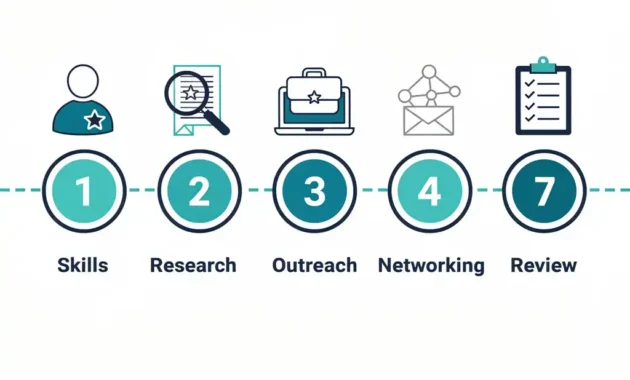
Your Action Plan for the Next 7 Days
Reading this is a good start. But the gap between people who make freelancing work and people who do not is almost never information. It is action.
Here is exactly what to do this week:
Day 1: Make your three lists. Identify your starting service. Commit to one skill only.
Day 2: Research the market on Upwork and Fiverr. Understand the rate range, the competition, and what clients are actually asking for.
Day 3: Create two or three portfolio samples. Set up a free portfolio page on Medium, Notion, or Canva.
Day 4: Create your profiles on Upwork and Fiverr. Write your bio from scratch with a specific niche and clear headline.
Day 5: Write and submit five personalized proposals on Upwork or publish your first gig on Fiverr.
Day 6: Tell three people in your network what you are now offering. Ask if they know anyone who might need it.
Day 7: Set up your income tracking spreadsheet and get a free invoicing account on Wave. Handle the admin before you need it.
Then repeat it next week. And the week after that.
Your first client is not a fantasy. They are a real person looking for exactly what you can do. They just have not seen your proposal yet. Go send it.
For a deeper look at how top freelancers structure their client acquisition strategies, the Upwork Resource Center is one of the most practical and regularly updated free references available.
If you’re looking for more real world insights and practical tips to level up your freelancing journey, make sure to check out our website. We regularly share simple, actionable content to help you land better clients, protect your time, and confidently grow your freelance career.