
Why Every Freelancer Needs to Understand Backlinks
Let me be upfront about something before we get into the mechanics.
I did not write this guide for digital marketing agencies or corporate SEO teams. I wrote it for freelancers people like me who are building something independently, often without a marketing budget, without a dedicated web team, and without anyone to ask when the algorithm changes and your portfolio site suddenly disappears from search results.
Here is why this matters specifically to you as a freelancer.
Your website or portfolio is not just a nice-to-have. It is your storefront, your resume, your credibility signal, and your lead-generation machine all rolled into one URL. And backlinks are one important factor in whether that website shows up when a potential client types “freelance [your skill] for hire” into Google — alongside content quality, relevance, and many other ranking signals.
I learned this the hard way. I spent the first two years of my freelance career building what I thought was a great portfolio site. Clean design. Good writing samples. Clear service descriptions. And absolutely zero traffic from search. Not because my content was bad. Nobody on the internet was linking to it, so Google had no reason to trust it enough to show it to anyone.
Understanding backlinks changed that completely
There is a second reason freelancers need this knowledge that nobody talks about. The moment you start building your online presence, you become a target for SEO agencies offering backlink packages. Dozens of emails promising “500 high-authority backlinks for $49.” And if you do not understand what a backlink actually is, what makes one legitimate versus toxic, and how Google evaluates link quality, you will either waste money on services that do nothing or worse get your site penalised for links that actively hurt you.
I have seen both happen to freelancers I know personally. One bought a bulk link package and told me her rankings fell sharply soon afterwards, and another hired an agency that promised “top-tier placements” and delivered links from irrelevant foreign directories that Google ignored entirely. I have no records that isolate the links as the cause in either case, so treat these as cautionary stories, not measured results.
This guide gives you the foundation to avoid both outcomes and build a backlink profile that actually earns you clients.
Whether you are setting up your freelance portfolio for the first time, trying to understand why a client’s site is not ranking, or evaluating an SEO proposal from an agency before you sign anything, this is the knowledge you need.
What Are Backlinks?
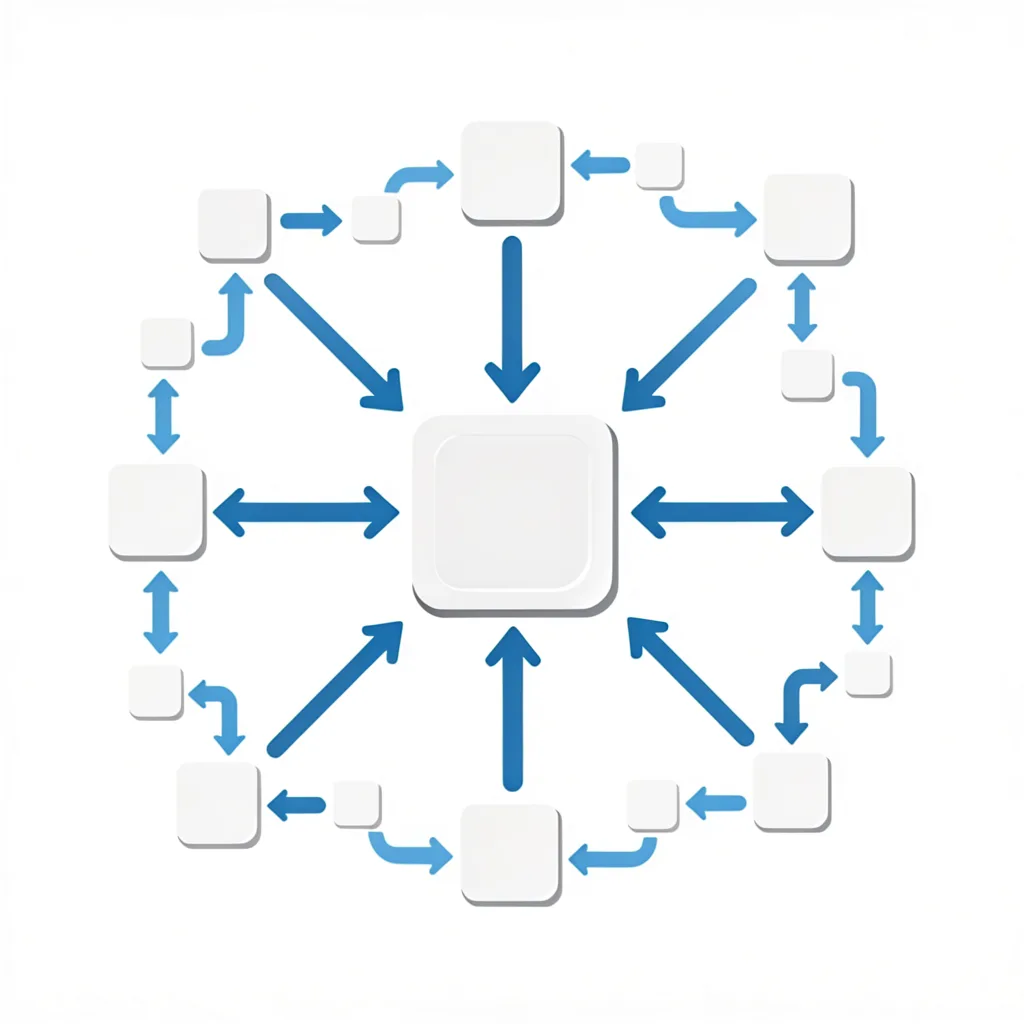
Backlinks are links from one website pointing to a page on your website. Search engines treat them as votes of confidence that signal your content is trustworthy and worth ranking higher in search results.
That is the short version. The version that actually helps you understand what is happening under the hood takes a little more explaining, and I promise it is worth your time.
Think about the last time you asked a friend to recommend a restaurant. You trusted that recommendation because your friend has credibility with you. They have eaten out before. They know your taste. Their opinion carries real weight. A stranger handing you a flyer outside the restaurant carries almost none.
Backlinks work the same way. When a website that Google already trusts links to your content, Google reads that as a credible endorsement. Not just noise. An actual signal that your page deserves attention.
I run a freelancer rights blog, and the moment I understood this concept properly, everything about how I approach content changed. I stopped obsessing over word counts and started asking: who on the internet would genuinely want to send their readers to this page?
That question, right there, is the foundation of every successful backlink strategy I have ever tested.
Backlinks are also called “inbound links” or “incoming links.” Some people call them “inbound links from another website.” All the same thing. A backlink is simply a hyperlink that originates on someone else’s domain and lands on yours.
Before we go deeper, one thing worth saying clearly: everything in this guide applies directly to your freelance portfolio site, your service pages, and any client sites you manage as part of your work. This is not abstract theory. Every concept here has a direct application in how you grow your freelance business online.
Backlinks vs Internal Links: What Is the Difference?
An internal link connects two pages on the same website. A backlink connects a page on an external website to a page on yours.
Internal links are things you fully control. If I write an article about freelancer contracts and then link from that article to my piece about invoice templates, that is an internal link. I made it happen. Google values it, but it does not carry the same weight as a stranger choosing to reference my work.
A backlink happens when someone outside my website makes that choice independently. Or at least, that is the ideal version. When a business law blog reads my article about contractor protections and links to it from their piece on gig worker rights, that is a genuine backlink. Nobody paid for it. Nobody asked. It happened because my content earned it.
That distinction matters enormously once you start thinking about link quality. More on that shortly.
Backlink Example on a Real Website
Here is a concrete example of what a backlink looks like in the real world.
Imagine a marketing publication writes an article about the top tools freelancers use to manage their finances. Midway through that article, they write a sentence like: “According to this “detailed breakdown of freelancer contract rights“, most independent contractors have more legal protection than they realize.” The phrase “detailed breakdown of freelancer contract rights” is clickable and points to my website.
That clickable hyperlink is the backlink. My site received it. The marketing publication gave it. Google crawls that page, finds the link, and registers it as a signal that my content is worth something.
Simple. Powerful. And the mechanism behind billions of ranking decisions every day.
Why Are Backlinks Important for SEO?
Backlinks help search engines decide which pages deserve to rank higher by showing that other credible websites trust your content enough to reference it.
This concept goes all the way back to Larry Page’s original PageRank algorithm, the foundational idea that Google was built on. The logic was elegant: count how many times a page gets linked to, weight those links by the authority of the sites giving them, and use that score to determine how trustworthy the page is.
Decades later, the algorithm is incomparably more complex. But the core logic has not changed. According to Google’s own publicly available documentation on how search works, links remain one of the most significant signals Google uses to evaluate page quality.
I know this because I have watched it happen on my own site. Repeatedly.
How Backlinks Affect Google Rankings
When a high authority website links to one of my pages, that page tends to climb in Google rankings within weeks. Not always immediately. Not always dramatically. But the movement is real and measurable.
In my experience, a single contextual backlink from a relevant, well-trafficked website in my niche seemed to coincide with one of my pages climbing in Google rankings. I did not run a controlled test, so I cannot claim the link alone caused the change, and I will not quote specific positions for it.
Search engines use backlinks as one signal of how much weight a page may carry, because endorsement by more credible sources over time can indicate trust. Third-party tools give this idea names of their own: Moz’s “domain authority” and “page authority” are Moz’s estimates, not Google’s terms, and Ahrefs’ “domain rating” is likewise a third-party estimate. These are not official Google terms, but they reflect a real underlying concept: some pages carry more weight than others because more credible sources have endorsed them over time. Treat all of these numbers as estimates and directional signals, not precise facts.

The way link juice flows through the web is worth understanding. When Site A links to Site B, some of Site A’s authority passes to Site B through that link. This is sometimes called PageRank flow. It is not a one to one transfer. It dilutes based on how many other links that page contains. But the signal is real.
Sites with strong backlink profiles rank for harder keywords, attract more organic traffic, and tend to hold their positions more stubbornly during algorithm updates. I have seen this play out repeatedly across my own content and sites I have analyzed using Ahrefs.
How Backlinks Affect Bing Rankings
Bing handles backlinks differently than Google does, and most SEO guides skip this entirely.
Bing places heavier weight on exact match signals and on page text than Google does, which means anchor text, the actual clickable words in a backlink, matters more for Bing rankings. If someone links to my page using the exact phrase “freelancer contract rights,” Bing reads that anchor text more literally than Google and gives my page a stronger relevance signal for that phrase.
Bing also factors in social signals from LinkedIn and Facebook more directly than Google acknowledges doing. When I share a newly published article on LinkedIn and it picks up meaningful engagement, I see faster indexing and slightly improved positioning on Bing compared to pages I publish without any social amplification.
One more Bing specific detail worth knowing: Bing Webmaster Tools gives you backlink data that is slightly different from what Ahrefs or Google Search Console shows, because Bing’s crawler operates independently. I recommend setting up Bing Webmaster Tools if you have not already. It is free and gives you signals that Google Search Console does not.
Types of Backlinks in SEO
There are several types of backlinks, and each one carries a different level of SEO value depending on how it was created and where it lives on the linking page.
Not all backlinks are created equal. I learned this the hard and expensive way early in my SEO work, and I want to save you the same frustration.
Dofollow vs Nofollow Backlinks
This is the most fundamental distinction in all of link building.
A dofollow backlink passes authority (link juice) from the linking site to your site. This is the kind of link that directly influences your search rankings. When Google crawls a dofollow link, it registers the endorsement and factors it into how it evaluates your page.
A nofollow backlink contains an HTML attribute (rel=”nofollow”) that tells search engine crawlers not to follow the link or pass authority through it. These were introduced by Google in 2005 specifically to combat comment spam and paid link manipulation.
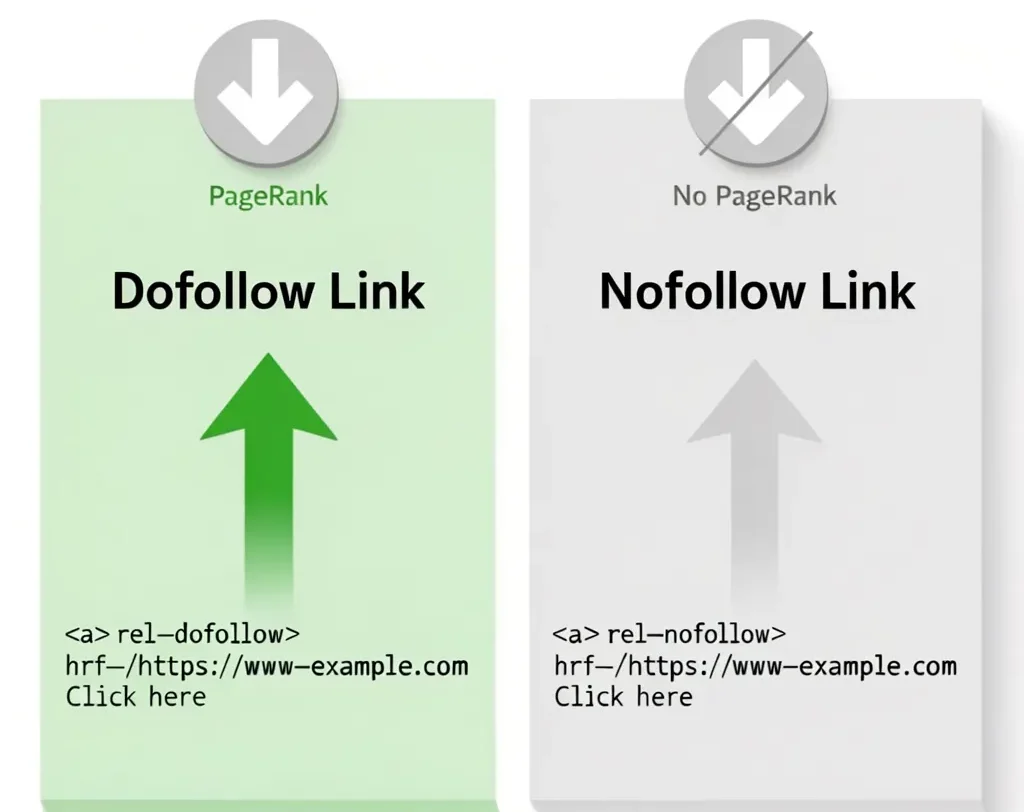
Here is where it gets more nuanced. In 2019, Google introduced two additional link attributes: rel=”sponsored” for paid or affiliate links, and rel=”ugc” for user generated content like forum posts and blog comments. Google now treats all of these as “hints” rather than hard directives, meaning they have some flexibility in how they process these signals.
In practice, dofollow links are what you want to build. Nofollow links from high authority sites still have value. They drive referral traffic. They contribute to a natural looking link profile. And some SEOs believe Google weighs them partially in certain contexts. But the core value for rankings comes from dofollow links.
When I do outreach for guest posts, one of the first things I check is whether the site places nofollow attributes on author bio links or in body text links. Sites that nofollow all external links are lower priority targets for link building purposes.
Editorial Backlinks
These are the most valuable type of backlink you can earn. Full stop.
An editorial backlink is one that a real human editor or writer chose to include because your content genuinely added value to what they were writing. No payment. No outreach pitch. Just organic recognition that your page is worth referencing.
Editorial links from publications like industry news sites, respected blogs in your niche, or authoritative resource pages carry enormous weight. They are the hardest to earn and the most resistant to algorithmic devaluation because they reflect genuine human judgment.
I have earned editorial links by creating content so comprehensive that journalists and bloggers naturally referenced it when covering related topics. One piece about freelancer legal rights was linked by a mainstream business publication, a law school blog, and freelancing platforms, without any outreach on my part. That cluster of editorial links appeared to help the page reach a first-page ranking, which it held for a time; I have no controlled record showing the links alone caused or maintained that ranking.
Creating content specifically designed to attract editorial links is called building “linkable assets.” For a freelancer, a linkable asset could be a free, plain-English checklist for reviewing a client contract, a template for a freelance rate quote, or a guide that answers a question clients and other writers regularly search for — something useful enough that other sites want to reference it in their own articles.
Guest Post Backlinks
Guest post backlinks come from articles you write for other websites. You contribute content, they publish it, and you include a link back to your site either in the author bio or within the body of the article.
Guest posting is one of the most reliable and scalable ways to build backlinks, as long as you do it right.
The version that works: you pitch a genuinely useful, original article to a real blog in your niche that has real editorial standards and a real audience. They accept it because it adds value to their readers. The link you earn from that process has genuine credibility.
The version that gets you in trouble: you pay a site to publish any article you send them with any link you want. These “paid guest post” arrangements are explicitly against Google’s link spam guidelines. Many of these sites have had their link value algorithmically discounted or manually penalized. The links you buy from them today may actively hurt you after the next core update.
I have gotten burned by this distinction exactly once. Never again.
Directory and Profile Backlinks
These are the lowest tier of backlinks and the ones most likely to waste your time if you rely on them heavily.
Directory backlinks come from listing your site in online directories. General purpose web directories like DMOZ (which no longer exists), or the thousands of generic “best sites” directories that still populate the internet, provide almost no ranking value. They look spammy. They are often nofollow. And Google has largely discounted them.
Niche specific directories are a different story. A directory specifically for freelance professionals, legal resources, or small business tools may provide genuine referral traffic and some link value, especially if it has real editorial standards for inclusion.
Profile backlinks from platforms like LinkedIn, Crunchbase, or industry specific membership directories are worth setting up for brand consistency and referral traffic. Do not expect them to move your rankings meaningfully. Treat them as baseline signals that confirm your site exists, not as ranking drivers.
What Makes a Backlink High Quality?
A high quality backlink comes from a website that is relevant to your topic, has genuine authority and real traffic, and places your link naturally within editorial content rather than in a footer or sidebar.
This is where most beginners get confused because third party metrics like Domain Authority (DA) from Moz or Domain Rating (DR) from Ahrefs have trained people to chase numbers rather than reality.
Links from high-DR sites that were irrelevant to my niche, with almost no real traffic, appeared to have little effect for me, while links from lower-DR, relevant sites with engaged audiences seemed to help more. I did not run a controlled test, so I cannot put precise numbers on either effect; treat this as an impression, not a measured result.
Domain Authority and Relevance
Relevance to your niche matters more in 2026 than raw domain authority scores. Google’s topic authority signals have matured significantly. A link from a site that covers your exact topic sends a stronger relevance signal than a link from a high authority site that covers everything and nothing.
Use this worksheet before investing outreach time in a link opportunity. For each item, note your answer — there is no pass mark; the point is to compare opportunities side by side:
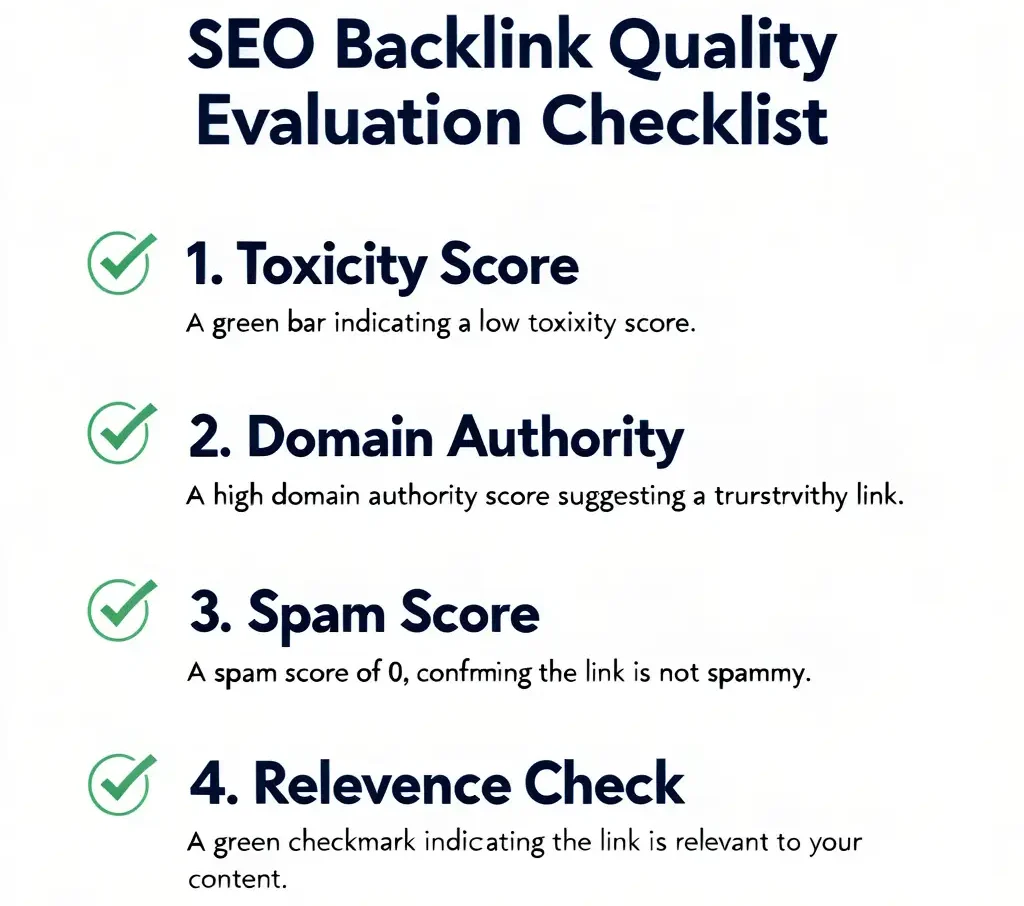
☐ Relevance — Does the site cover topics directly related to mine? A link from a legal advice blog to my freelancer rights content is high value. A link from a travel photography blog to the same content is close to worthless regardless of DA.
☐ Real traffic — Does the site have real traffic in my niche, checked using Ahrefs’ traffic estimate or SimilarWeb? A site with 5,000 genuine monthly visitors in my niche is usually a better prospect than a site with 200 monthly visitors and a high DR.
☐ Link placement — Is the link in body text of a relevant article, surrounded by contextually related content, rather than buried in a footer or sidebar widget? Contextual links within body text generally carry more weight than links in templates or peripheral page elements.
☐ The linking page’s own backlinks — Does the linking page itself have strong referring domains pointing to it? A link on a page that itself has strong referring domains generally passes more link juice than a link on a page nobody has ever linked to.
Anchor Text Optimization
The anchor text is the clickable words that form the hyperlink. It is one of the signals Google uses to understand what your linked page is about.
There are several types of anchor text, and a natural link profile contains a healthy mix of all of them.
Exact match anchor text uses your target keyword directly. For example, a link with the anchor text “freelancer contract rights” pointing to my article about that topic sends a strong relevance signal. Too many exact match anchors look manipulative and can trigger over optimization penalties.
Partial match anchor text includes your keyword within a broader phrase. “Understanding your rights as a freelancer” is partial match if my target keyword is “freelancer rights.”
Branded anchor text uses your site name or your name as the author. Natural.
Generic anchor text includes phrases like “click here,” “read more,” or “this article.” These pass link juice but provide no keyword relevance signal.
The safest anchor text profile has mostly branded and generic anchors, a meaningful portion of partial match, and a smaller proportion of exact match. When I am doing outreach and I have any influence over anchor text, I aim for partial match or branded. When natural editorial links come in, I accept whatever anchor text the writer chose. Trying to control anchor text in earned editorial links is both impractical and unnecessary.
How to Build Backlinks Step by Step
Building backlinks requires creating content worth linking to, identifying the right websites to target, and reaching out with a clear and honest value proposition.
This is the section everyone wants to jump to, and I understand that impulse. But everything I covered above matters here. If you do not understand what makes a backlink valuable, you will waste enormous amounts of time on the wrong opportunities.
Let me walk through the specific methods I have personally used, what worked, what failed, and what I would prioritize if I were starting from zero today.
Guest Posting Strategy
Guest posting is still one of the most effective ways to build backlinks for a website in 2026. It has not died. It has just gotten harder to do well.
The core process:
Step one: identify 20 to 30 websites in your niche that publish content regularly and have genuine audiences. Look for sites with real comment sections, active social media followings, and content that has earned its own backlinks. Avoid sites that have “Guest Post” or “Sponsored” labels on every single article. Those are link farms in disguise.
Step two: read several of their recent articles carefully before you pitch anything. Understand what topics they cover, what level of depth they write at, and what gaps exist in their coverage. Your pitch should feel like you know their site, not like a template you sent to 200 people.
Step three: pitch two or three specific article ideas in a short email. Do not attach a full draft. Do not lead with your credentials. Lead with the value the article will provide to their readers. I keep my pitches to six sentences maximum.
Step four: if they accept, write something genuinely good. Not recycled. Not an AI summary of information that already exists online. Something with original perspective, specific examples, and real depth. I have had guest posts rejected after acceptance because the draft I submitted was clearly weaker than my pitch promised. That damages relationships.
Step five: include one contextual dofollow link back to a specific page on your site that is genuinely relevant to the article you are writing. Not your homepage. Not a random article. The page that most directly serves readers who want to go deeper on the topic. A worked ethical pitch could read: “Hi [editor’s name], I read your recent piece on [topic] and noticed you do not yet cover [specific gap]. I would be glad to write a short, original article on [specific idea] for your readers, drawing on my experience with [relevant experience]. If it helps, I can also share a free checklist on [related resource] that your readers could download. I am not asking for payment or a guaranteed link — I only ask that, if the article is published, it include one link to [relevant page on my site] where readers can go deeper.”
Carefully targeted guest post pitches are often a low-yield activity: many pitches go unanswered, and a small number of well-researched pitches may turn into placements. I have not kept a pitch log I can publish here, so I will not quote an acceptance rate; expect to send a good number of well-researched pitches for a handful of placements.
Broken Link Building
This is one of the most underrated tactics in link building, and I keep coming back to it because the pitch practically writes itself.
The concept: find a page on a relevant website that contains a dead link pointing to content that no longer exists. Reach out to let them know about the broken link and suggest your content as a replacement.
You are doing them a genuine favor before you ask for anything. That changes the dynamic of the outreach completely.
To find broken links, I use the Check My Links Chrome extension, which highlights broken links in red on any page I visit. For larger scale prospecting, Ahrefs has a broken backlinks report that shows you outbound links from any domain that return 404 errors. I filter these by relevance to my topic area and look for dead links pointing to content I have already published or could write quickly.
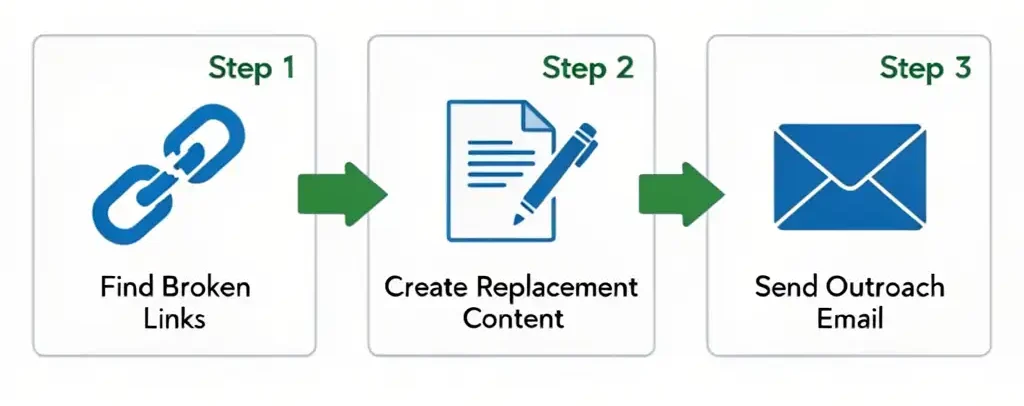
The outreach email for broken link building is short. Something like: “Hey, I noticed that the link to [article title] on your [specific page] is broken, returning a 404. I have a piece that covers the same topic and might work as a replacement if you are looking for something. Either way, thought you would want to know about the broken link.”
That is it. No pressure. No elaborate pitch. Just helpfulness followed by an offer.
Using this method consistently, I built backlinks from sites I genuinely respected, without spending money on links. I did not keep a dated log of each placement, so I will not quote a count or a time period for this result.
Digital PR and HARO Link Building
HARO (Help a Reporter Out) was rebranded as Connectively, and similar platforms like Qwoted and SourceBottle have grown significantly. The basic mechanic is that journalists and content creators post queries when they need expert sources, and you respond with relevant insight.
If a journalist uses your contribution in their article, you typically earn an editorial mention and often a backlink from their publication.
The quality of links available through this channel is remarkable. I have earned placements from mid tier digital publications, legal news platforms, and freelancer focused media by responding to relevant queries with specific, experience backed answers.
The key to success here is specificity. Journalists sort through dozens of responses per query. Generic advice gets deleted immediately. A response that opens with a concrete personal experience, delivers a clear and quotable insight, and closes with your name and relevant credential gets chosen.
I spend about one hour per week reviewing queries and responding only to those directly relevant to my actual experience. Over time, some of those responses resulted in published mentions with backlinks, including from sites I never could have approached cold. I have not kept a response log I can publish, so I will not quote a success count or rate.
Voice search optimization tip for this section: if someone asks Bing’s Cortana “what is the best way to get free backlinks,” the direct answer is to use platforms like Connectively or Qwoted to respond to journalist queries in your niche with specific, quotable expertise.
The Skyscraper Technique
Brian Dean of Backlinko popularized this method, and it remains genuinely effective when executed with discipline.
The skyscraper technique: find content in your niche that has already earned a lot of backlinks, create something noticeably better, then reach out to sites linking to the original piece and let them know your updated version exists.
The logic is sound. Sites that have already linked to content on this topic have proven they care about it. If your version is meaningfully better, some percentage of those sites will update their link.
Where most people fail with this method is in the “meaningfully better” part. Longer is not automatically better. More images are not automatically better. The improvement needs to be substantive. More recent data. More actionable steps. A clearer structure. Original research the existing article lacks. Something that makes the reader’s experience genuinely better.
I have used this method more than once. In one case, I found a widely linked article about freelancer invoice templates that was several years out of date, missing important information about recent legal changes affecting independent contractors, and formatted in a way that made it hard to scan. My replacement piece addressed all three of those gaps directly. I reached out to sites that had linked to the original, some responded, and some updated their links. I have no published log of that outreach, so I will not quote response or conversion counts for it.
Reclaiming Unlinked Brand Mentions
This is the fastest win available once your brand has any existing visibility.
When a website mentions your brand, your site name, or your content by name without including a clickable link, reach out and ask them to add the link.
The barrier to conversion is lower than almost any other outreach type. The site has already decided you are worth mentioning. You are simply asking them to make that mention useful to their readers by adding the link.
I use Google Alerts set to my site name and my name as an author to catch new mentions. Ahrefs Content Explorer lets me search for my brand name and filter out results that already include a backlink to my domain, isolating unlinked mentions specifically.
Unlinked mention outreach tends to convert better than cold outreach in my experience, because the site has already decided my work is worth mentioning. I have not kept a log I can publish, so I will not quote a conversion rate for it. And the links that result are genuinely editorial because the site chose to mention my work on their own.
How to Check Your Backlinks for Free
You can check your backlinks for free using Google Search Console, which shows every link Google has registered pointing to your site, organized by linking domain and target page.
This is where a lot of beginners get confused because there are so many tools claiming to show backlink data, and the numbers vary significantly between them. Let me break down what actually matters.
Google Search Console Method
Google Search Console is free and shows you real data from Google’s own index. That makes it the most authoritative source for understanding what Google actually sees in terms of your backlink profile.
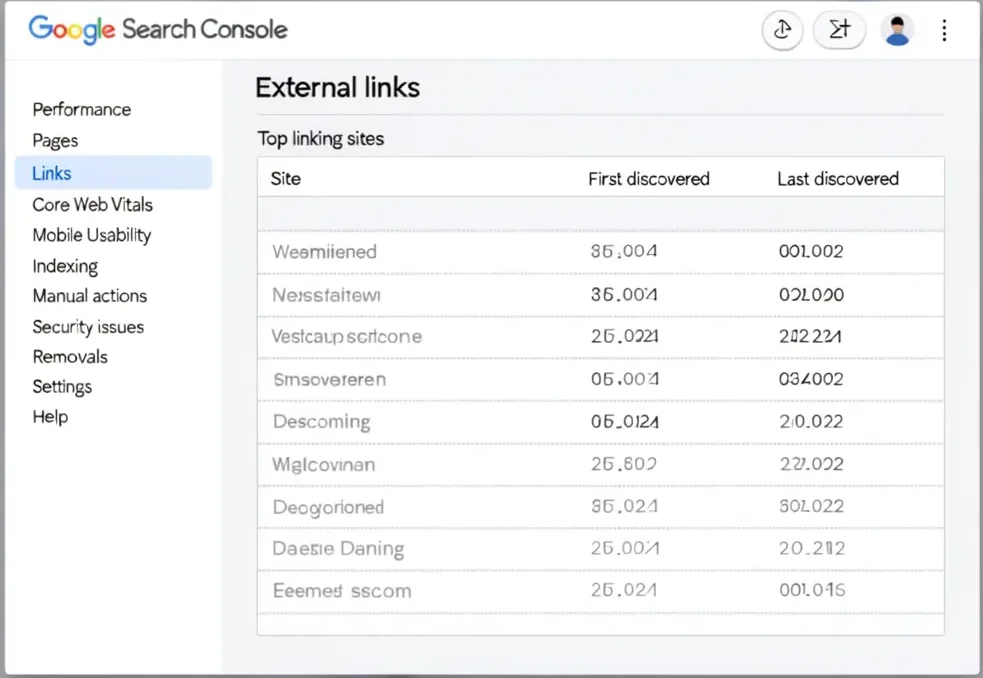
To access your backlink data in Google Search Console:
Log in at search.google.com/search-console. Navigate to the “Links” report in the left sidebar. You will see two main sections: “External links” shows sites linking to your pages, and “Internal links” shows how your own pages link to each other.
The most useful view is “Top linking sites,” which shows you which domains link to you most frequently. Click into any domain to see which specific pages they have linked to. This tells you which of your content has earned the most external recognition.
Google Search Console does not show you historical link data with timestamps the way paid tools do, and it does not show you link attributes like dofollow or nofollow. For that level of detail, you need a dedicated backlink checker.
Best Free Backlink Checker Tools
Several tools offer free backlink data, though with limitations compared to paid plans.
Ahrefs Backlink Checker (free version): Shows you the top 100 backlinks pointing to any domain, sorted by domain rating. Limited but useful for initial prospecting and competitive research. I use the free version to get a quick snapshot of competitor backlink profiles before deciding whether to invest in deeper analysis.
Moz Link Explorer (free version): Provides up to 10 free queries per month showing backlink data along with Moz’s Domain Authority score. The interface is clean and beginner friendly. Moz’s index is smaller than Ahrefs but their DA metric is widely used across the industry.
SEMrush Backlink Analytics (limited free access): SEMrush allows some free backlink queries but gates the most detailed data behind a paid subscription. Still useful for spot checking specific pages or competitor domains.
Ubersuggest (free tier): Neil Patel’s tool offers basic backlink data in its free tier. The data quality is not at the level of Ahrefs or SEMrush, but for a beginner checking their first backlink profile, it works.
Google Search Console remains my primary free tool because it shows actual Google data. I use the others for competitive research and prospecting.
One thing I always emphasize to people asking how to check backlinks for free: the numbers you see in any third party tool are estimates based on that tool’s crawl of the web. No tool has a complete picture. Ahrefs has the largest index among the major paid tools, but even Ahrefs misses links. Use these numbers as directional signals, not precise facts.
High Quality Backlinks: What Separates Good from Great
High quality backlinks come from websites with genuine authority, real traffic, and direct topical relevance to your content, placed naturally within editorial body text rather than in peripheral page elements.
I want to spend real time here because chasing the wrong type of links has cost me more time and ranking ground than almost any other mistake I have made in SEO.
What Backlinks for Website Growth Actually Look Like
Not all referring domains are created equal. A site might show 500 backlinks in Ahrefs while getting almost no ranking benefit from them because 450 of those links come from low quality sources.
Here is what genuinely strong backlinks for website authority look like in practice:
The linking site has real organic traffic. I check this using Ahrefs’ traffic estimate before targeting any site for outreach. A domain with a DR of 45 and 8,000 monthly visitors from real search queries is dramatically more valuable than a domain with a DR of 65 and 300 monthly visitors mostly from direct traffic.
The linking page itself has backlinks pointing to it. A link on a page that nobody has ever linked to carries less PageRank than a link on a page that has itself earned editorial recognition. When I use Ahrefs to evaluate link opportunities, I look at the URL rating (UR) of the specific linking page, not just the domain rating (DR) of the overall site.
The link sits in body text surrounded by contextually relevant content. A contextual backlink within a paragraph discussing freelancer legal protections, linking to my article on that topic, is worth more than a link in a resource list at the bottom of an unrelated article.
The anchor text is natural and relevant without being over optimized. As I covered earlier, a partial match or branded anchor is ideal. Exact match is valuable but should not dominate your profile.
The site publishes content regularly and has real editorial standards. Sites that publish once every six months with no consistent topic focus are low priority targets regardless of their DA score.
Free Backlinks: Legitimate Ways to Get Links Without Paying
You can get free backlinks by contributing genuine value to other websites and online communities through methods like guest posting, media source platforms, broken link replacement, and creating content that earns natural citations.
I want to be direct: “free” does not mean “no work.” Free backlinks require significant time investment. What they do not require is paying for link placements, which puts you at ongoing risk of Google penalties.
Here are the methods I have used personally to build free backlinks:
HARO and journalist request platforms. I covered this in the strategy section above. Completely free. Requires nothing but specific knowledge and the ability to write a quotable response quickly.
Forum contributions. Not the old school forum spam approach of dropping links in every post. I mean genuinely contributing to communities on Reddit, specialized forums in your niche, and Slack groups where your target audience gathers. When relevant, mentioning your own resource is natural. Forcing a link into every comment you write is transparent and counterproductive.
Podcast appearances. Reaching out to podcast hosts in your niche and offering to appear as a guest is an underused link building tactic. Most podcasts publish show notes with links to their guests’ websites. Podcast show note pages often have strong authority because the podcast itself has accumulated backlinks from years of content. And many podcast listeners are exactly the kind of people who also run blogs or websites in your niche.
Content roundups. Many blogs publish weekly or monthly roundups of the best content in their niche. Submitting your best new content to roundup curators in your topic area is a legitimate and completely free way to earn backlinks. Search for “niche + weekly roundup” or “niche + best articles” to find these opportunities.
Resource pages. Many websites maintain resource pages that link to the most useful external content on specific topics. If you have created a genuinely comprehensive resource, identifying these pages and reaching out to suggest your content for inclusion is a free and often effective tactic. Search for “niche + resources” or “niche + useful links” to find them.
Internal Backlinks: The Overlooked On-Site Strategy
Internal backlinks are links from one page on your website to another page on your website, and they help search engines understand your site structure while distributing the authority earned from external backlinks across your most important pages.
Most people building backlinks focus exclusively on external links and completely ignore the internal linking structure on their own site. I made this mistake for over a year.
Here is why it matters: when a strong external backlink points to one of your pages, that page accumulates authority. Internal links are the mechanism by which that authority flows from the strong page to other pages on your site. Without deliberate internal linking, the authority you earn from backlink campaigns can stagnate on a small number of pages rather than benefiting your entire site.
When I audited and improved my internal linking structure, pages I had not actively been building external links to appeared to improve in rankings, and pages connected via internal links from my strongest content seemed to climb without any new external link acquisition. That is my impression from the time, not a controlled test: other changes and algorithm movement could also have played a part.
Here is how I approach internal linking:
Every new piece of content I publish gets at least three to five internal links pointing to it from relevant existing pages on my site. This tells Google the new page is worth crawling and contextually connects it to my established content.
My highest traffic pages and most authoritative pages (measured by the strength of external backlinks pointing to them) link out to the pages I most want to rank for competitive keywords. This is deliberate PageRank sculpting, and it works.
I use keyword rich anchor text for internal links more freely than for external links. Because I control my own site, I can use exact match anchor text internally without the over optimization risk that comes with external exact match anchors.
I periodically run a site audit using Screaming Frog to identify pages with no internal links pointing to them (orphan pages) and fix those connections. Orphan pages receive no internal link equity and often struggle to rank even when their content is strong.
How to Remove Bad Backlinks from Your Site
You can remove bad backlinks by first identifying toxic links in your backlink profile using tools like Ahrefs or Google Search Console, then attempting to have them manually removed by contacting site owners, and finally using Google’s Disavow Tool for links you cannot get removed.
I want to be honest about something: for most small to medium sites running legitimate link building strategies, toxic backlink removal is not an emergency. Google has gotten significantly better at ignoring low quality links rather than penalizing sites for having them.
The times when backlink cleanup becomes critical:
You purchased large volumes of low quality links in the past. You received a manual action notification in Google Search Console indicating an unnatural links violation.
Identifying Toxic Links
Toxic backlinks typically come from sites that exist primarily to sell links, sites with no relevant content, sites that have been penalized themselves, or sites with a wildly unrelated topic to your niche.
In Ahrefs, I use the Backlink Audit function to flag links with low quality signals. SEMrush also has a dedicated Backlink Audit tool that assigns toxicity scores to individual links. These scores are imperfect, they flag some legitimate links and miss some genuinely harmful ones, but they provide a useful starting point.
Signs a backlink might be toxic:
The linking page has no real content, just link lists or placeholder text. The site links to hundreds of unrelated domains from a single page. The site has almost zero organic traffic despite having a high domain authority score, which suggests the DA was artificially inflated. The link appeared suddenly as part of a batch with many other suspicious links from similar sites. Note: Moz’s spam score is a Moz estimate, not a Google score — use it only as one directional signal among others, never as a standalone verdict that a link is toxic.
Using the Google Disavow Tool
The disavow file is a text file you upload to Google Search Console telling Google to ignore specific links pointing to your site when evaluating your rankings.
Use it conservatively. Disavowing legitimate links by mistake can hurt your rankings. Google’s official guidance recommends attempting manual outreach to have links removed first, and only using the disavow tool for links you genuinely cannot get removed through direct contact. Google’s guidance is to consider disavowing only when you have a considerable number of spammy, artificial, or low-quality links pointing to your site and you believe those links have caused a manual action, or are likely to cause one. Google also says most sites will not need to use this tool.
To request link removal, I find the contact information for the linking site (Hunter.io helps here), send a polite email explaining which link I am asking them to remove and why, and document that I sent the request. I do not add a domain to my disavow file simply because a reply does not arrive within a set period: disavowing is for the cases described above, where a considerable number of spammy links is present and a manual action has been caused or is likely.
The disavow file format is simple. Each line contains either a specific URL to disavow or a domain level disavowal using the format “domain:exampledomain.com”. Google processes disavow files over several weeks. Do not expect immediate ranking changes.
Frequently Asked Questions About Backlinks
What is a backlink example?
A backlink example: a business news website writes an article about self employment tax tips and includes a sentence like “for a comprehensive look at contract rights for independent workers, see this resource.” The words “this resource” are a clickable hyperlink pointing to a page on your website. That hyperlink is the backlink your site received.
Are backlinks good or bad for SEO?
Backlinks are good for SEO when they come from relevant, credible websites and are earned through genuinely useful content. They are bad for SEO when they come from spammy, irrelevant, or manipulative sources. According to Google’s link spam policies, buying links or participating in link exchange schemes can result in manual penalties.
How do I get free backlinks?
You get free backlinks by responding to journalist queries on platforms like Connectively or Qwoted, contributing guest posts to relevant blogs, using the broken link replacement method, and creating content so useful that others cite it naturally. None of these methods cost money. All of them require significant time and real expertise.
What is the difference between internal and external links?
An internal link connects two pages within the same website. An external link (or backlink from the perspective of the receiving site) connects a page on one website to a page on a different website. Internal links help distribute authority within your site. External backlinks bring authority in from outside your site.
What makes a backlink high quality?
A high quality backlink comes from a website that is relevant to your niche, has genuine organic traffic, places the link within editorial body text, and uses natural anchor text. The linking site should have real content, a consistent publishing schedule, and its own backlink profile from credible sources.
How do backlinks help SEO rankings?
Backlinks help SEO rankings by passing authority (PageRank) from trusted websites to your pages, signaling to Google that your content is credible and worth surfacing in search results. Pages with strong, relevant backlink profiles consistently outrank pages without them for competitive keywords.
Can you buy backlinks for SEO?
Buying backlinks to manipulate rankings violates Google’s spam policies and can result in manual penalties that may rank your pages lower or not appear in results at all. Many sites selling “high DA backlinks” are operating link networks that Google identifies and discounts regularly. The risk is real and ongoing. That said, paid or sponsored links are not a violation when they are properly qualified with rel=“nofollow” or rel=“sponsored”, so that they do not pass ranking credit.
What is link building in simple terms?
Link building is the process of getting other websites to link to your website. You do this by creating content other sites find valuable enough to reference, reaching out to relevant sites with genuine pitches, and earning mentions through media platforms and industry relationships.
How many backlinks do I need to rank?
There is no magic number. The number of backlinks you need depends entirely on the competition level of your target keyword. For low competition long tail keywords, sometimes zero external backlinks is enough if your content is strong. For competitive keywords, you may need dozens of high authority, relevant referring domains to compete. The quality of backlinks matters far more than raw quantity.
Does social media count as backlinks?
Social media links are generally nofollow and do not pass traditional PageRank. But social signals do matter indirectly. Content shared widely on platforms like LinkedIn gets discovered faster, earns more real editorial backlinks from people who encounter it through social channels, and sends Bing ranking signals that are more direct than what Google officially acknowledges.
How long does it take for backlinks to improve rankings?
In my experience, ranking improvements from new backlinks can take a while to show up, and the timing varies with how quickly Google crawls the linking page, how competitive the target keyword is, and where Google’s algorithm is in its update cycle. The safest expectation: judge results over quarters, not weeks.
How to build backlinks for a small business?
Small businesses should focus on local press coverage, contributions to industry publications, guest posts on niche relevant blogs, and creating genuinely useful resources their target customers would share. Local business directories with real editorial standards are worth pursuing. Generic directory submissions are not. Building relationships with complementary businesses whose audiences overlap with yours creates natural link opportunities over time.
What is a good number of backlinks?
A good backlink number for your site is “more relevant, high authority referring domains than your closest competitor has for your target keyword.” That is the only comparison that matters. Obsessing over absolute numbers rather than competitive gaps leads people to build large quantities of low quality links that hurt more than they help.
Trending FAQs: Backlinks in 2026
Are backlinks still important in 2026?
Yes. Backlinks remain an important ranking signal, alongside content quality and user experience, and link-based signals remain central to how Google evaluates page authority and trust. What has changed is the quality threshold. Ten years ago, volume mattered more. Today, highly relevant, editorially credible backlinks are generally more valuable than a large number of low quality links from irrelevant sources.
What is a toxic backlink and how do I find them?
A toxic backlink comes from a site that exists primarily to sell links, has no real content, covers a completely unrelated topic, or has been flagged by Google for manipulative linking practices. You find them by running a backlink audit in Ahrefs or SEMrush and filtering for links with high spam indicators: zero organic traffic, hundreds of outbound links per page, domain age under six months, and no clear editorial purpose.
Is it worth paying for backlinks in 2026?
No. Paying for backlinks to manipulate rankings violates Google’s spam policies and creates ongoing penalty risk. Google regularly updates its link spam detection, and sites that rely on paid links may see temporary ranking benefits followed by corrections. The sites that tend to hold their rankings through multiple algorithm updates are the ones that earned their links through genuine content quality and relationship based outreach.
How do AI tools affect backlink building?
AI tools can help with research, identifying broken link opportunities, drafting outreach emails, and analyzing competitor backlink profiles more efficiently. What AI cannot do is replace the genuine expertise and first hand experience that earns editorial backlinks. Journalists and editors who receive pitches can tell when a response was generated by AI rather than written by someone with real knowledge. For link building purposes, AI is a research assistant. The perspective and authority signals have to be genuinely human.
What is link velocity and why does it matter?
Link velocity is the rate at which your site acquires new backlinks over time. A natural link velocity for a legitimate content site looks like gradual growth with occasional spikes when a popular piece earns broad attention. A site that acquires zero backlinks for six months and then suddenly receives 500 new links in a week looks manipulative. Google’s systems flag unnatural link velocity patterns as potential spam signals. Building links consistently over time is safer and more effective than building in large batches.
How to earn natural backlinks without outreach?
You earn natural backlinks without outreach by creating content that is so useful, original, or data rich that other creators reference it voluntarily. Original research, free tools, comprehensive resource guides, and first hand case studies with specific data are the categories that earn the most natural citations. The time investment is high. The results compound indefinitely. A single piece of genuinely link worthy content can earn backlinks for years after publication.
What is a referring domain and how is it different from a backlink count?
A referring domain is the unique domain that sends a backlink to your site. You can receive multiple backlinks from the same domain, but it still counts as one referring domain. In competitive analysis, referring domains is the more meaningful metric. Getting 50 backlinks from 3 domains means 3 organizations have endorsed your content. Getting 50 backlinks from 50 different domains means 50 different organizations have. The latter is a dramatically stronger signal of genuine authority.
Should I focus on backlinks or content first?
Content first. Always. You cannot earn quality backlinks to content that does not deserve them. Before investing any significant time in link building, make sure the page you want to rank has genuinely useful content that answers the searcher’s actual question more completely than competing pages do. Then build links to give Google the confidence signal it needs to rank what is already a strong piece of content. Both matter. But content quality is the prerequisite. Link building is the amplifier.


What remarkable topic
Thanks a lot for your support
Best Regards,
Gig Law Guide Editorial Team
What remarkable topic
Thanks a lot for your support
Best Regards,
Gig Law Guide Editorial Team